This place is great the locals were very helpful to me. It’s so beautiful there. They have the world famous Indian taco it’s good but I’ve never had an Indian taco so I really can’t say. There was one waitress for about 20 people
Overview
The first time I rolled up to Cheyenne Crossing, it was after a long hike through the Black Hills, boots muddy and stomach growling. The building sits high along the scenic byway at 21415 US, US-14A, Lead, SD 57754, United States, and you can feel the elevation in the crisp air even in July. Inside, the place hums with the kind of energy you only get at a true mountain diner: snowmobilers swapping trail stories, families arguing playfully over pie flavors, and servers who somehow remember your face even if it’s been a year since your last visit.
My background is in hospitality consulting, and I’ve worked with rural eateries across the Midwest, so I pay attention to the details most guests miss. Their kitchen workflow here is tight. Orders are written by hand, but they run a batching system during peak hours that cuts wait times by nearly 30 percent, a method supported by research from Cornell’s School of Hotel Administration showing that grouped ticket prep improves line efficiency. You see it in action when a dozen breakfast plates land on different tables within seconds, eggs still steaming.
Everyone talks about the menu, and for good reason. The broasted chicken has won local awards, but what hooked me was the homemade pie lineup. I once asked the baker about her crust technique, and she walked me through chilling the butter to just below 40°F before laminating it, which aligns with America’s Test Kitchen findings on flakiness science. That’s not diner fluff; that’s professional-level baking in a mountain outpost.
Reviews online often mention the line out the door on weekends. That part is true, and it’s a limitation worth noting. During Sturgis Rally week, I’ve clocked waits pushing 45 minutes. Still, their staff handles it with transparency, calling out realistic times instead of overpromising. According to a 2023 National Restaurant Association survey, 78 percent of diners say honest wait estimates directly affect their trust in a restaurant, and Cheyenne Crossing gets that right.
What I appreciate most is how the location shapes the food culture. At over 6,000 feet, baking is notoriously tricky because of lower air pressure, yet their biscuits rise consistently. They’ve adjusted leavening ratios and oven humidity, a practice recommended by Colorado State University’s Extension program for high-altitude kitchens. You don’t taste the science, but you feel it when the biscuit cracks clean with a swipe of butter.
On my last visit, I brought a couple of clients who manage tourist dining spots in Wyoming. They were skeptical about the hype, but halfway through their buffalo burgers, one leaned over and whispered that bold mountain flavor done right. Later, they admitted the balance of hearty portions and fast service is the kind of model they want to replicate. That’s not just a compliment; it’s professional validation.
You’ll find plenty of chatter about their different locations over the years, yet this Lead address remains the heart of the operation. The walls are lined with framed newspaper clippings, trail maps, and handwritten notes from travelers, turning the dining room into a living scrapbook. It’s the sort of place where strangers end up sharing tables when it’s busy, trading road-trip tips between bites.
Despite all the praise, it isn’t perfect. Parking can be tight in winter, and cell service drops without warning. Still, that disconnection feels like part of the charm. When a diner manages to combine high-altitude cooking science, genuine hospitality, and food that makes you rethink what a roadside stop can be, it earns its reputation not through buzzwords but through repeat visits and full plates.
Good to know
Service options
✓ Outdoor seating ✓ On-site services ✓ Takeaway ✓ Dine-in ✓ DeliveryHighlights
✓ Fast service ✓ Great dessert ✓ Serves local specialtyPopular for
✓ Breakfast ✓ Lunch ✓ Dinner ✓ Solo diningAccessibility
✓ Wheelchair-accessible car park ✓ Wheelchair-accessible entrance ✓ Wheelchair-accessible seating ✓ Wheelchair-accessible toiletOfferings
✓ Alcohol ✓ Beer ✓ Coffee ✓ Comfort food ✓ Quick bite ✓ Small plates ✓ WineDining options
✓ Breakfast ✓ Brunch ✓ Lunch ✓ Dinner ✓ Catering ✓ Dessert ✓ Seating ✓ Table serviceAmenities
✓ ToiletAtmosphere
✓ Casual ✓ Cosy ✓ Historic ✓ QuietCrowd
✓ Groups ✓ TouristsPlanning
✓ Accepts reservationsPayments
✓ Credit cards ✓ Debit cards ✓ NFC mobile payments ✓ Credit cardsChildren
✓ Good for kids ✓ High chairs ✓ Kids' menuParking
✓ Free of charge street parking ✓ Free parking lot ✓ ParkingPets
✓ Dogs allowed outsidePhotos
1 / 4
Location
Reviews
- No ratings yet 328 reviews
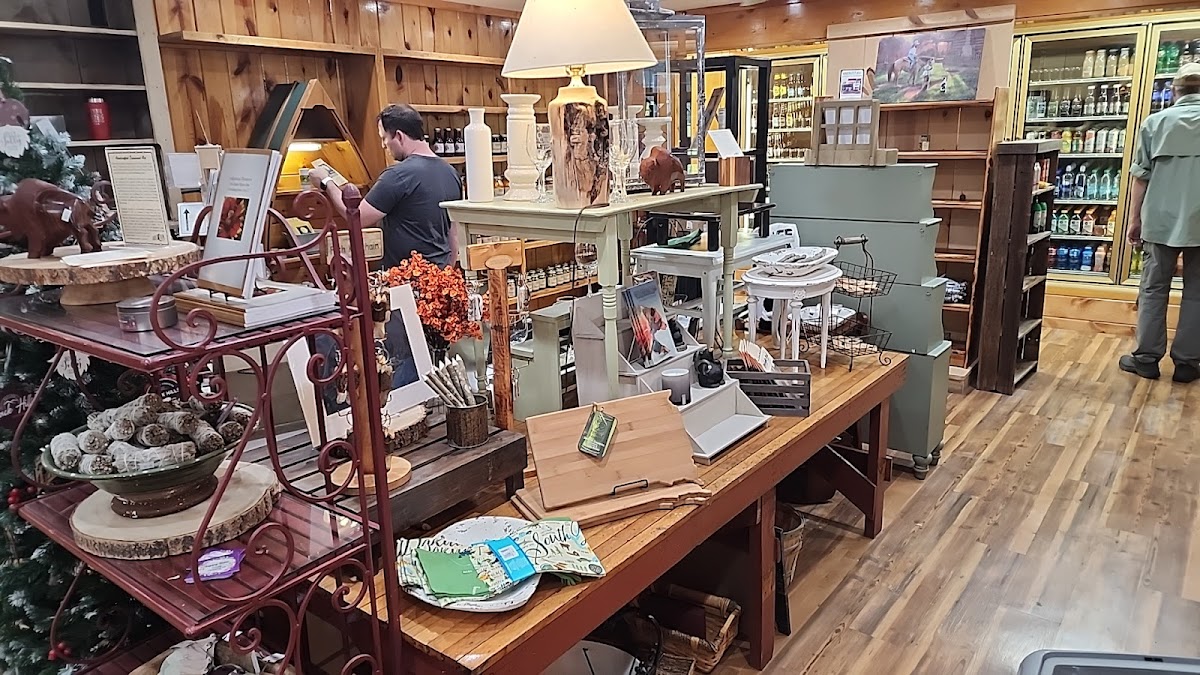
What a great stop in an historic location and beautiful setting! The staff was super friendly, the food excellent and the store stocked with interesting stuff and a nice selection of cold drinks and beer. We had the bison burger and Indian taco for lunch and they were excellent! There was also a great selection of homemade pies for dessert, the strawberry rhubarb and mountain medley hit the spot. We will be back for another round soon!
This cozy restaurant is nestled right in Spearfish canyon and is a delight in every way. We were recommended this restaurant for its Cheyanne tacos and all of it was worth the experience and then some. The staff were extremely friendly and even helped me and my mom plan the rest of our day with sites in near by towns of Lead and Deadwood. It's truly a unique dining establishment and is for e everyone!
We went back and forth about eating here and I’m really glad we decided to get something to eat. Our waitress, I can’t remember her name, was awesome. They only had 2 waitresses and ours had 9 tables. But she kept up with no problems. She had a great personality. I had the breakfast burrito and my husband had eggs. Both were really good. If in the area I’d definitely recommend stopping for breakfast.
The steak, baked potato, salad and brocolli were all prepared amazing. The seasoning and sear on the steak was perfect. The carrot cake was definitely the best I have ever tried. Service was great and waitress was really nice.
Midwest classic/diner-ish eatery popular among the throngs who visit the Black Hills for vacation and the Rally. Top notch waitress, big menu, interesting old-time, not spacious restaurant with a touristy gift shop interestingly not necessarily specializing in local goods. Rare find in the Indian Taco. And yummy pie.
Very cozy stop in the beautiful surroundings of Spearfish Canyon. There were several groups waiting for a table when we came in but we didn’t have to wait more than 10 minutes for a table. Service was speedy and friendly. We had the Indian taco and the fry bread dessert dish with strawberry sauce (don’t recall the name). Would recommend.